Commentary

COSM’s commentary page is home to timely analysis of pressing topics.

SNAP’s New Cost Share Requirement Is a Blunt, But Necessary Tool

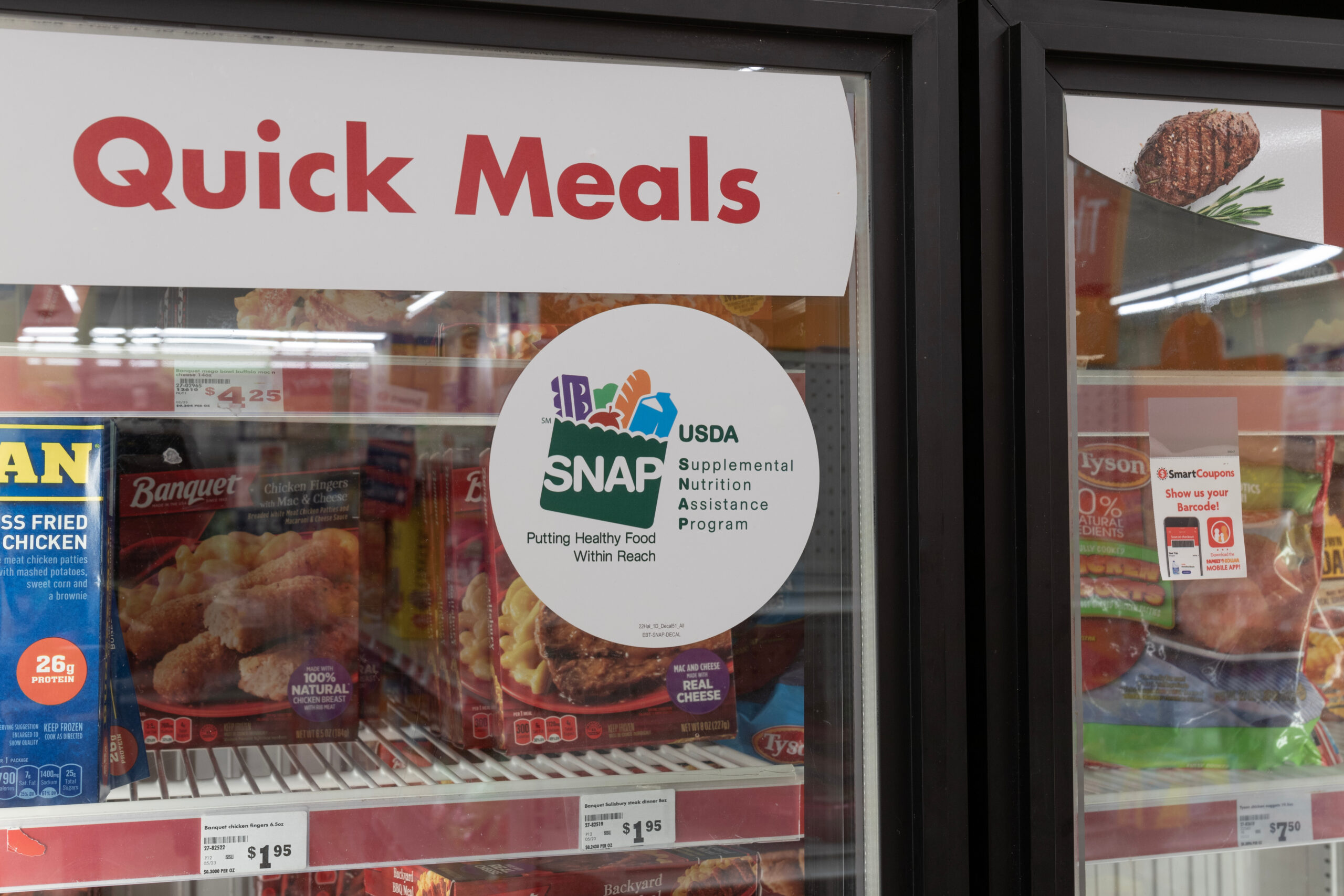
Last month, the US Department of Agriculture released the most recent Supplemental Nutrition Assistance Program (SNAP) payment error rates. The report found that 10.62 percent of SNAP payments in Fiscal Year 2025 (FY2025) were made incorrectly. This remains a sharp departure from average payment error rates of 6.6 percent before…

July 28, 2026 | By Angela Rachidi

Lessons from the 1996 Welfare Reform Law Approaching Its 30th Anniversary

The actual effects of the law—especially in promoting more work and earnings and less poverty and welfare dependence—exceeded what even some of the law’s strongest advocates anticipated.

July 24, 2026 | By Matt Weidinger

Pandemic Unemployment Fraud Data Continue to Amaze—and Not in a Good Way

On May 18, or more than 1,700 days after an alphabet soup of temporary federal unemployment benefit programs expired in 2021, the US Department of Labor (DOL) issued a 34-page “program letter” alerting state agencies to the availability of additional funding to “pay for the ongoing cost of administering” those…

June 1, 2026 | By Matt Weidinger

Zoning Creates Not Just a Housing Affordability Problem, but a Childcare Affordability Problem Too

Childcare affordability and access are regulatory problems, but many miss the extent to which these challenges stem from zoning. Zoning receives much well-deserved attention as a major constraint on housing development, but it receives little attention for the constraints it imposes on many other vital services and beneficial amenities. Zoning…

May 26, 2026 | By Vanessa Brown Calder

Bill Would Require States to Use Future Federal Funds to Repay Unemployment Loans First

Yesterday Rep. Vince Fong (R-CA) introduced H.R. 8892, the “Creating Accountability in Loan (CAL) Repayment Act,” which amends federal law governing loans to states that have exhausted their unemployment insurance (UI) trust funds. The legislation would accelerate repayment by requiring states to use future flexible federal funds to repay loans…

May 20, 2026 | By Matt Weidinger

Understanding the Recent Declines in SNAP Participation

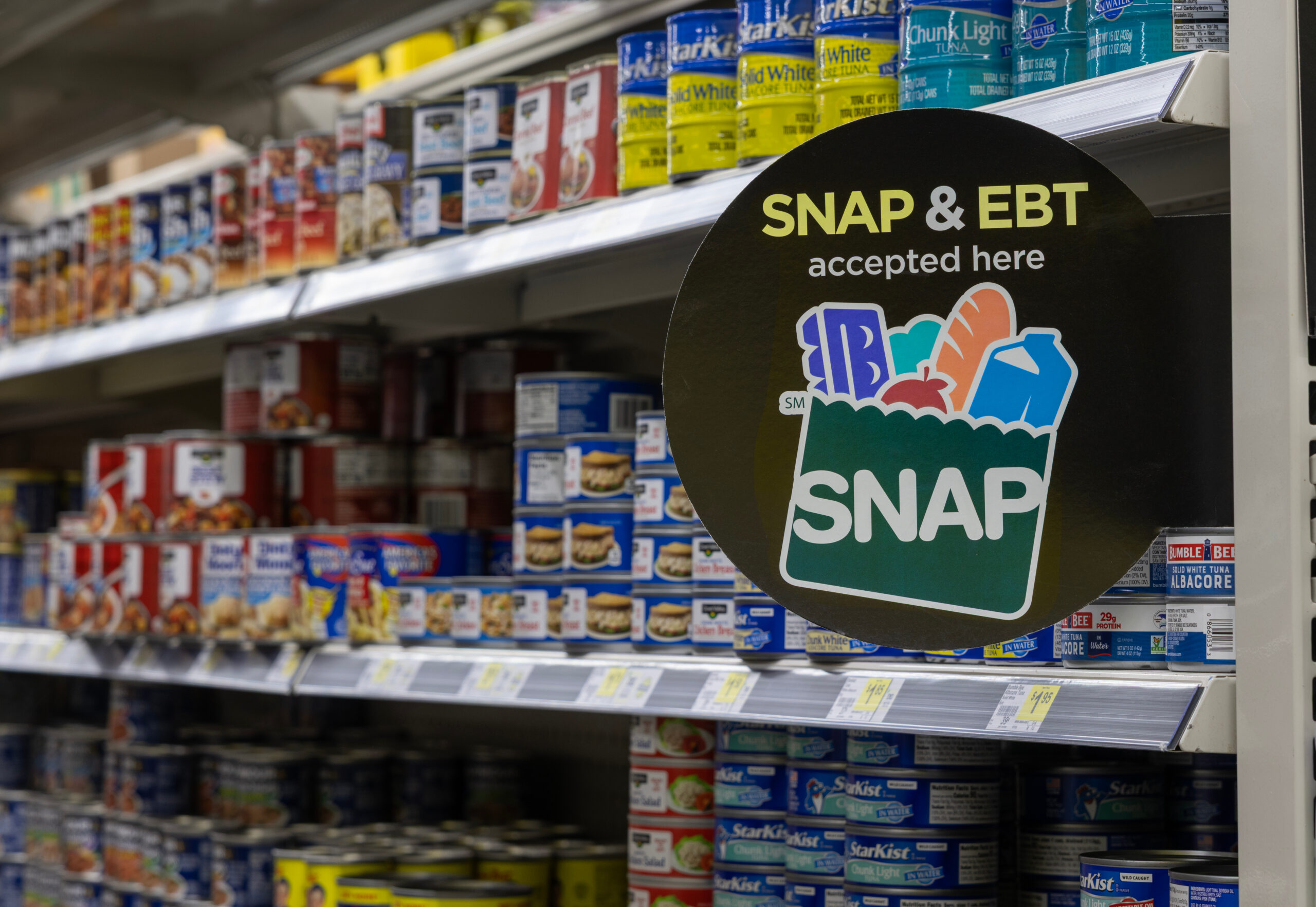
The number of people receiving food assistance through the Supplemental Nutrition Assistance Program (SNAP) has declined in recent months, with suggestions that declines are due to the Republican-backed reconciliation bill passed in July 2025. The One Big Beautiful Bill Act (OBBBA or P.L. 119-21) made several changes to SNAP, including…

April 28, 2026 | By Angela Rachidi

The More Things Change, Medicaid Edition

“Clinics” with suspect professional credentials running up bills for publicly-insured low-income patients. Outlandish claim volumes for questionable services, including unneeded tests and consultations. Harmful and abusive treatment of patients in some cases. And then the understandable outrage in Washington, DC that no one at the state level seems to notice…

March 25, 2026 | By James C. Capretta

Opportunity Book: A New Tool for Connecting Policymakers with Innovative Ideas

Today the Center on Opportunity and Social Mobility at the American Enterprise Institute (AEI) is releasing Opportunity Book, a new online tool that connects policymakers, journalists, and researchers with innovative federal policy ideas. Opportunity Book is a publicly available database that launches with 38 individual policies related to opportunity from…

March 25, 2026 | By Scott Winship and Kevin Corinth

Assessing Duplicative Federal Benefit Programs and Preventing Abuse

This commentary reviews current means-tested federal benefit programs designed to assist low-income individuals and families. The large number of those programs is amplified by similar state and local programs as well as by closely associated temporary federal programs created during recessions. During the recent pandemic, the number, scope, and spending…

March 23, 2026 | By Matt Weidinger

Time Limits and Work Requirements Would Improve Subsidized Housing Programs

Despite more than $60 billion in annual federal spending on rental assistance, only one in four eligible families actually receives it. Recipient families receive, on average, more than $1,000 in federal aid each month, and because there is no time limit they typically remain on the program for over a…

March 16, 2026 | By Kevin Corinth

Thirty Years Later, Welfare Reform Is Still a Model That Works

August 8, 2026 | Matt Weidinger

The real lesson of the 1996 law remains that there is a better way for Americans in need, if only today’s lawmakers match their forebears in choosing it.

The American Dream Lives in Suburbia

August 2, 2026 | Timothy P. Carney

Suburbia has long been a favorite target for cultural critics. Readers of a certain age will remember the genre of white suburban fiction. The Ice Storm and American Beauty were the 1990s big-screen versions. John Updike’s Rabbit novels and Richard Yates’ Revolutionary Road were among the 1960s-inflected novels on these themes. The message: Suburban life is impossibly stultifying...

Rethinking Predatory Student Lending

July 30, 2026 | Beth Akers

The One Big Beautiful Bill Act ended the Grad PLUS loan program for new borrowers and replaced it with annual and aggregate limits on federal borrowing that came into effect on July 1, 2026. Students who want to borrow beyond those limits will now have to turn to private lenders. That prospect...

Paying for Payment Errors: State Incentives and Caseload Responses to SNAP Cost Sharing

July 30, 2026 | Kevin Corinth

Abstract Supplemental Nutrition Assistance Program (SNAP) caseloads declined by 10% nationally from June 2025 to April 2026, even as the unemployment rate ticked up. Recent commentary has attributed the caseload decline to reforms to SNAP enacted in July 2025, especially a provision that ties required state funding contributions to their...