Welcome to Our Research Archive
Search and filter by content type, issue area, author, and keyword
- ✕ Clear Filter
- Angela Rachidi (54)
- Beth Akers (1)
- Brent Orrell (4)
- Bruce D. Meyer (11)
- Howard Husock (5)
- James C. Capretta (1)
- James Pethokoukis (3)
- Kevin Corinth (47)
- Kyle Pomerleau (6)
- Leslie Ford (6)
- Matt Weidinger (75)
- Michael R. Strain (3)
- Nicholas Eberstadt (1)
- Paul Ryan (1)
- R. Glenn Hubbard (1)
- Richard Burkhauser (8)
- Richard V. Burkhauser (2)
- Robert Cherry (2)
- Robert Doar (8)
- Ryan Streeter (1)
- Scott Winship (26)
- Stan Veuger (3)
- Timothy P. Carney (2)
- W. Bradford Wilcox (3)
- Yuval Levin (3)

April 19, 2024
The New Deal’s Failed Kibbutz in the Desert
At the height of the New Deal, with the Social Security Act, the Securities and Exchange Commission, and the Civilian Conservation Corps already enacted, the Roosevelt Administration’s Farm Security Administration (FSA), veered from reform to the outright radical: the establishment of an American version of a Soviet collective farm. The largest of nine such projects…

November 13, 2023
How The IRS Discourages Boomer Charity
Americans like to call ourselves the most generous nation on earth — but charitable giving is on the decline. In 2022, it fell 3.4% (10.5% when adjusted for inflation) to fall under $500 billion. It was only the fourth such decline in 40 years. What’s more, individual giving — distinguished from that of foundations and corporations…

October 12, 2023
Blue States Are Getting More Federal Money Than They Should
The late New York senator Daniel Patrick Moynihan long complained — and commissioned data — about New York’s status as a “donor state,” for sending more in tax dollars to Washington than it received in return in the form of grants. This was always a misunderstanding of the virtues of the U.S. being a vast free-trade…
October 12, 2023
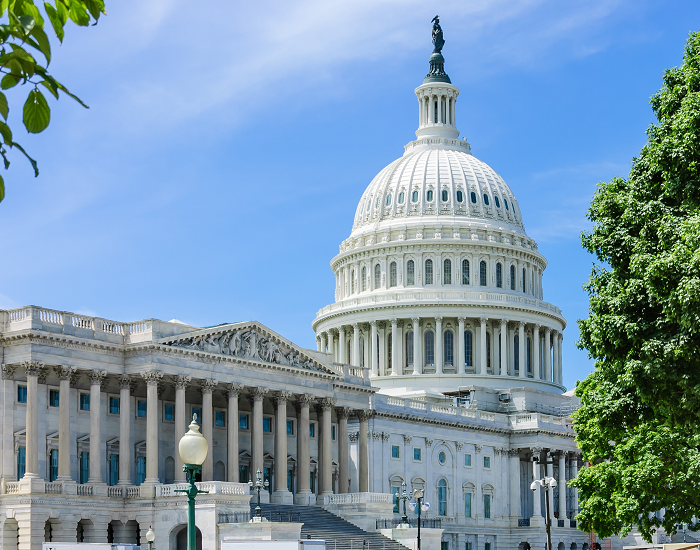
Blue-State Benefits: How Federal Grants Fail to Consider Population Shift
Abstract The federal government annually awards hundreds of billions of dollars in grants to states. In this report, I examine funding for the largest federal grant programs for 2020–22, focusing on grants-in-aid that do not fully adjust for population change. For states losing population, I calculate “avoided reductions,” the difference between the grants a state…

July 25, 2023
Not Just Tulsa
Earlier this month, an Oklahoma judge ruled that the City of Tulsa cannot be held legally or financially responsible for the actions of the violent mob that burned down the city’s Greenwood section, known as the Black Wall Street, in 1921. Three survivors of that murderous riot will not, it appears, receive compensation. Despite their disappointment, the…