Welcome to Our Research Archive
Search and filter by content type, issue area, author, and keyword
- ✕ Clear Filter
- Angela Rachidi (9)
- Beth Akers (6)
- Brent Orrell (13)
- Bruce D. Meyer (3)
- Daniel A. Cox (3)
- Edward J. Pinto (8)
- Edward L. Glaeser (1)
- Frederick M. Hess (1)
- Howard Husock (6)
- Ian Rowe (3)
- John Bailey (2)
- Joseph Fuller (5)
- Kevin Corinth (7)
- Kyle Pomerleau (1)
- marie cohen (1)
- Mark Schneider (2)
- Mason M. Bishop (1)
- Matt Weidinger (5)
- Max Eden (1)
- Michael Brickman (1)
- Michael R. Strain (5)
- Naomi Schaefer Riley (3)
- Nat Malkus (6)
- Nicholas Eberstadt (1)
- Paul Ryan (1)
- Preston Cooper (5)
- R. Glenn Hubbard (1)
- Richard Burkhauser (2)
- Richard V. Burkhauser (1)
- Robert Doar (1)
- Robert Pondiscio (2)
- Ryan Streeter (2)
- Samuel J. Abrams (1)
- Scott Winship (10)
- Stan Veuger (3)
- Timothy P. Carney (1)
- Tobias Peter (11)
- W. Bradford Wilcox (15)
- Yuval Levin (1)
January 30, 2025
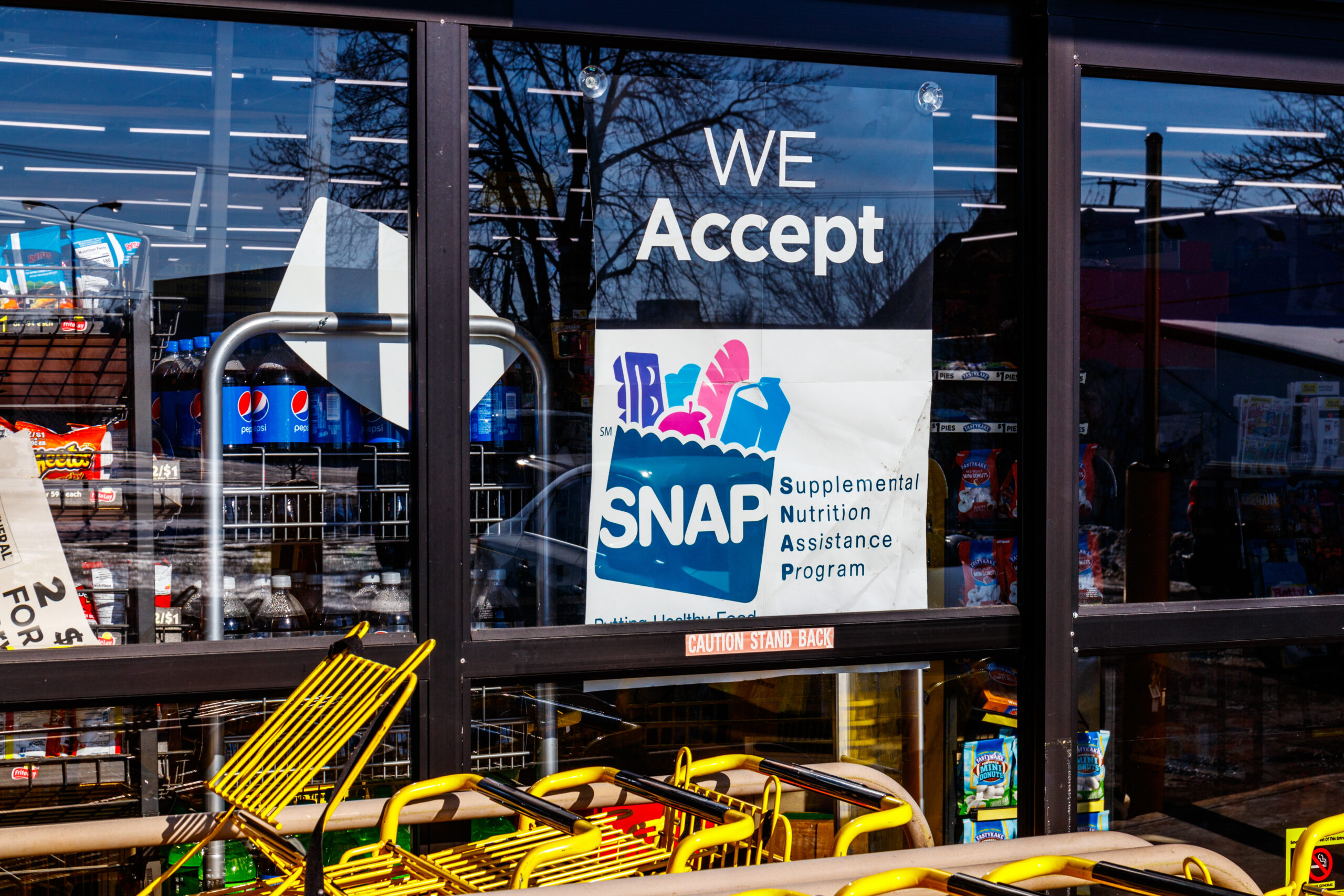
Eliminating the Benefit Cliff and Achieving Savings for Taxpayers: A Reform Proposal for the Supplemental Nutrition Assistance Program
Key Points The Supplemental Nutrition Assistance Program (SNAP) is one of the nation’s largest safety-net programs for low-income households in the US, distributing over $94 billion in food benefits in…

October 30, 2024
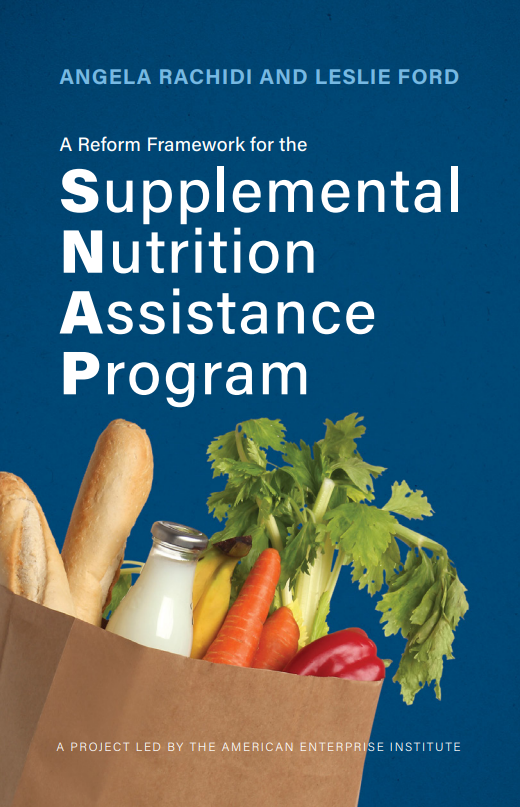
A Reform Framework for the Supplemental Nutrition Assistance Program
Key Points The Supplemental Nutrition Assistance Program (SNAP) needs reform to remain an effective safety-net program that decreases food insecurity and supports self-reliance through employment and good health. SNAP policy…

October 23, 2024
Work Requirement Waivers Increased FoodShare Caseloads and Costs in Wisconsin
Employment plays a crucial role in helping families escape poverty and move up the income ladder. The Temporary Assistance for Needy Families program, created through welfare reform in 1996, showed…
January 8, 2024
Dynamics of Families After a Nonmarital Birth
Abstract Despite known links between poverty rates and unmarried parenthood, we know little about how changes in family situations after a nonmarital birth affect poverty. This study explores Future of…

September 18, 2023
Overregulated Childcare: Wisconsin’s 2023-’25 Biennial Budget and the Path Ahead
Wisconsin’s legislative budget session ended in July 2023 with an increase in childcare funding in the 2023-’25 biennial budget. However, the final budget did not include $340 million requested by…

April 28, 2023
The Evidence on Family Affordability
Key Points A narrative has emerged concluding that it has become too expensive in the US to afford a family. Although different measures of income show different trends, household and…

September 30, 2022
Off Track: An Assessment of Wisconsin’s Early Care and Learning System for Young Children
Preface Raising children, as can be fully appreciated only after you’ve done it, takes place in real time. They eat, sleep and grow whether you’re ready or not. So as…

July 2, 2021
Addressing the Shortcomings of the Supplemental Poverty Measure
Key Points The Supplemental Poverty Measure (SPM) partly improves on the Official Poverty Measure but still suffers from several shortcomings that limit its usefulness as an effective poverty measure. The…