Abstract
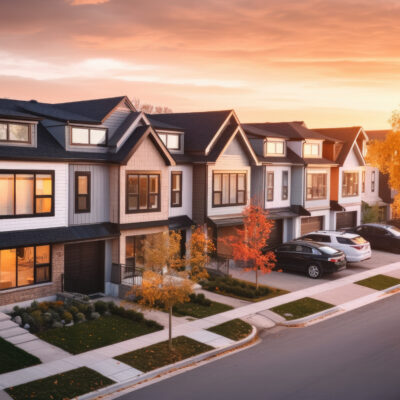
We provide an in-depth case study of land use reforms in Seattle to highlight how redevelopment of aging single-family housing to townhomes can lead to a significant increase in market-rate housing that promotes affordability. The key is to allow market forces to use by-right zoning to drive small-scale development, when also supported by clear and simplified regulatory frameworks. We have dubbed this the Housing Abundance Success Sequence, which is supported by this study along with over two dozen others. In Seattle, we document that such policies lead to a sustained 2.5 percent per year increase in the housing stock, with a range of about 1-2.5 percent in other case studies. Importantly, this approach requires no government subsidies and leads to higher local tax revenues. Our findings underscore the potential of thoughtful land use reforms to create more inclusive, affordable, and resilient housing markets, while also demonstrating that inclusionary zoning mandates do not work and can stop market-rate developers in their tracks.