Research Archive

March 26, 2025

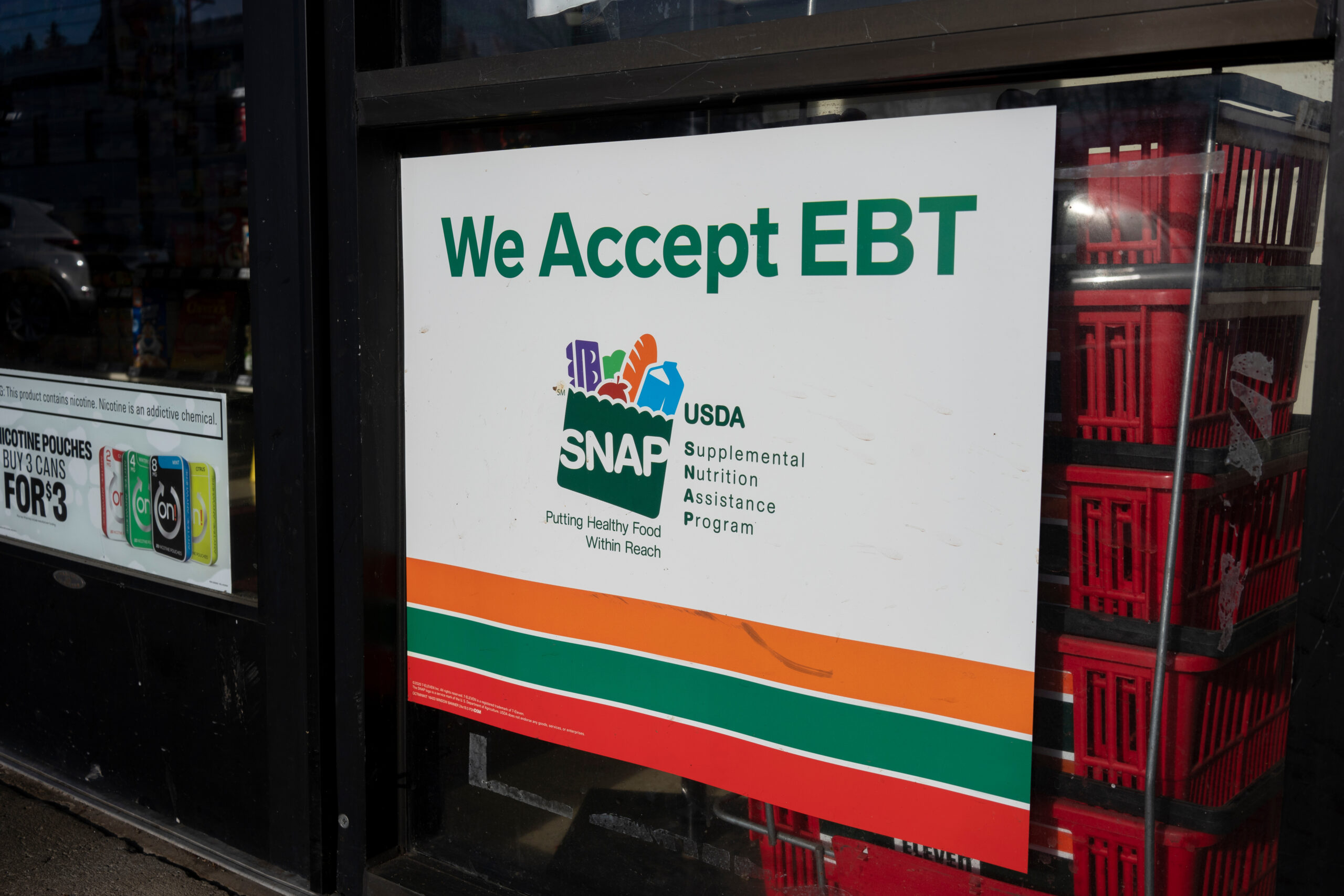
How Large Would SNAP Be? Simulating the Size of SNAP Based on Changes to the Unemployment Rate

Abstract The Supplemental Nutrition Assistance Program (SNAP) is a means-tested transfer program that is available…

December 30, 2024

Coverage, Counter-cyclicality and Targeting of Work Requirement Waivers in the Supplemental Nutrition Assistance Program

The Supplemental Nutrition Assistance Program limits benefits for able-bodied adults without dependents unless they work at least 20 hours per week, but states have historically been able to waive this requirement in areas deemed to have weak labor markets. A new county-level dataset of waivers from 1997 to 2023 shows that waivers expanded substantially over time and were somewhat responsive to unemployment changes but were frequently granted in counties with relatively low unemployment. Simulations indicate that specific waiver rules—particularly the 20 percent unemployment rule and the ability to group counties—significantly increased waiver coverage and weakened targeting to areas with the weakest labor markets.

January 19, 2024

The Work Incentive and Employment Effects of Eliminating the Child Tax Credit’s Annual Income Requirement

Proposed 2024 child tax credit reforms would let families calculate eligibility using either current-year or prior-year income, significantly weakening the credit’s annual work requirement. The analysis estimates that this change would encourage some nonworking parents to enter employment while causing more consistently employed parents to stop working in some years. On net, the policy is projected to reduce employment by an average of 153,000 parents per year while also creating incentives for year-to-year fluctuations in work and hours.